

UOW law student takes First Nations leadership to the United Nations
Tiarna Williams reflects on how her UN fellowship boosted her drive to advance Indigenous rights and global justice
December 8, 2025
When Tiarna Williams took her seat inside a meeting room at the United Nations Headquarters in New York, she felt a mix of excitement, disbelief and pride. Surrounded by delegates, legal experts and diplomats from across the world, she was there not just as an observer, but as a young First Nations woman contributing to discussions shaping international law.
Tiarna is a proud Awabakal-Dharawal woman from ÌìÃÀ´«Ã½. Her moment at the UN was the result of years of study, community involvement and a deep commitment to human rights.
“It was honestly life changing,” she said. “Being in the room while global decisions were being made about international law is something I feel so privileged to have experienced. To see how the UN works from the inside after studying it for years made it all feel so real.”
Tiarna, who is in her penultimate year of a combined Law and International Studies degree at UOW, travelled to New York as part of the Global Voices Policy Fellowship. She was selected for the Sir Ninian Stephens Law Delegation to the United Nations General Assembly Sixth Committee, which covers legal matters such as the rule of law, international criminal law and treaty frameworks. The fellowship supports young Australians who are passionate about policy, human rights and international engagement.
The opportunity aligned perfectly with her long-held goals.
“I’ve always wanted to work in the space of human rights, especially through an international lens,” she said. “To be able to bring that passion to the UN was something I never imagined would happen so early in my career.”
From the classroom to the world stage
Her interest in law and justice comes from both personal experiences and exposure to the legal system from a young age. Growing up around family members working in law enforcement and forensics sparked an early fascination with how systems operate, while her International Studies major deepened her curiosity about how nations interact and how global institutions influence change.
Throughout her time at UOW, she also took on leadership roles, including serving as the First Nations representative for the UOW Law Students’ Society. That experience opened doors to advocacy and support work and gave her a close look at the challenges First Nations students face.
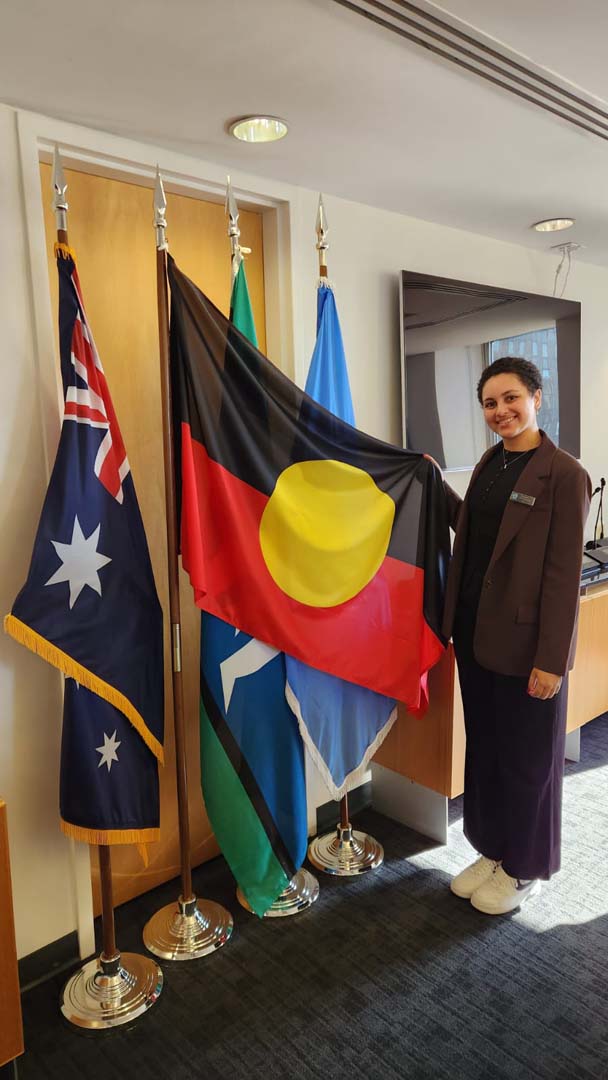
“It was rewarding to help create programs that supported First Nations law students. It also showed me how important representation is and how much it matters to have diverse voices at the table.”
This commitment led her to roles with the Evonne Goolagong Foundation, the National Justice Project and advisory groups focused on Indigenous rights and justice reform. Working across different ages and communities helped shape her understanding of the challenges faced by First Nations Australians in the legal system.
Taking First Nations perspectives to the UN
During her time in New York, Tiarna attended committee sessions, observed legal negotiations and met with experts working in international law and human rights. These included representatives from UN departments, major NGOs, civil society groups and the Australian Permanent Mission to the UN.
“These meetings were so valuable. Everyone we spoke to generously volunteered their time and knowledge. They helped me to refine my policy proposal and opened my eyes to career paths I hadn’t known existed. It gave me a clearer picture of what working in this space actually looks like day to day.”
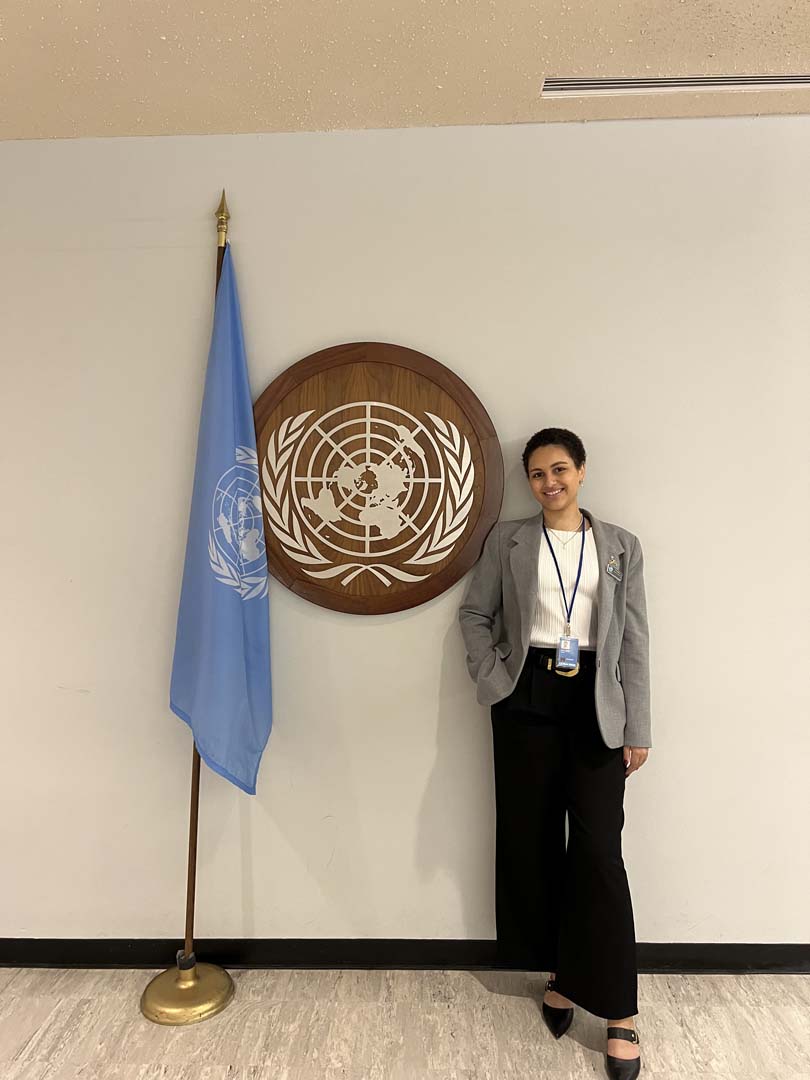
She also spoke about how welcomed she felt at the UN, and how the atmosphere challenged common assumptions about exclusivity.
“The diversity inside the UN Headquarters was one of the most comforting things about the whole experience. There were people from every background you can imagine. It showed me that you don’t have to come from any particular place or speak a certain way to belong in these spaces. If you work hard and bring passion to what you do, your voice can be heard.”
A proposal centred on Indigenous rights and self-determination
A central part of the fellowship is the creation of an independent policy paper. For Tiarna, choosing a topic was personal. Her policy paper focuses on strategies to more effectively implement the United Nations Declaration on the Rights of Indigenous Peoples (UNDRIP) within Australian law.
Through her research, she is exploring the barriers that prevent First Nations communities from exercising free, prior and informed consent when it comes to land use and management on Native Title land.
Her findings highlighted long-standing challenges in the Native Title Act.
“At the moment, the Native Title Act doesn’t allow First Nations communities to veto projects that affect their land, even if they object. That goes against the principles of free, prior and informed consent. There also aren’t clear guidelines on what proper consent should look like.”
Her proposal recommends defining UNDRIP more clearly within the Native Title Act and creating a stronger legal framework that supports community-led decision making. She hopes these changes would give Indigenous communities more control and more certainty about how decisions affecting their land are made.
“As an Indigenous woman, this work means a lot to me. I’ve seen progress in Australia, but I’ve also seen how far we still have to go. This proposal is one way I hope can help move things forward.”
A message for other young First Nations people
Looking back, Tiarna says the experience shifted her sense of what is possible.
“If someone told me a few years ago that I’d be sitting inside the UN during committee discussions, I probably would’ve laughed. It felt too far removed from my world. But I stayed focused on my studies and my goals, and it happened.”
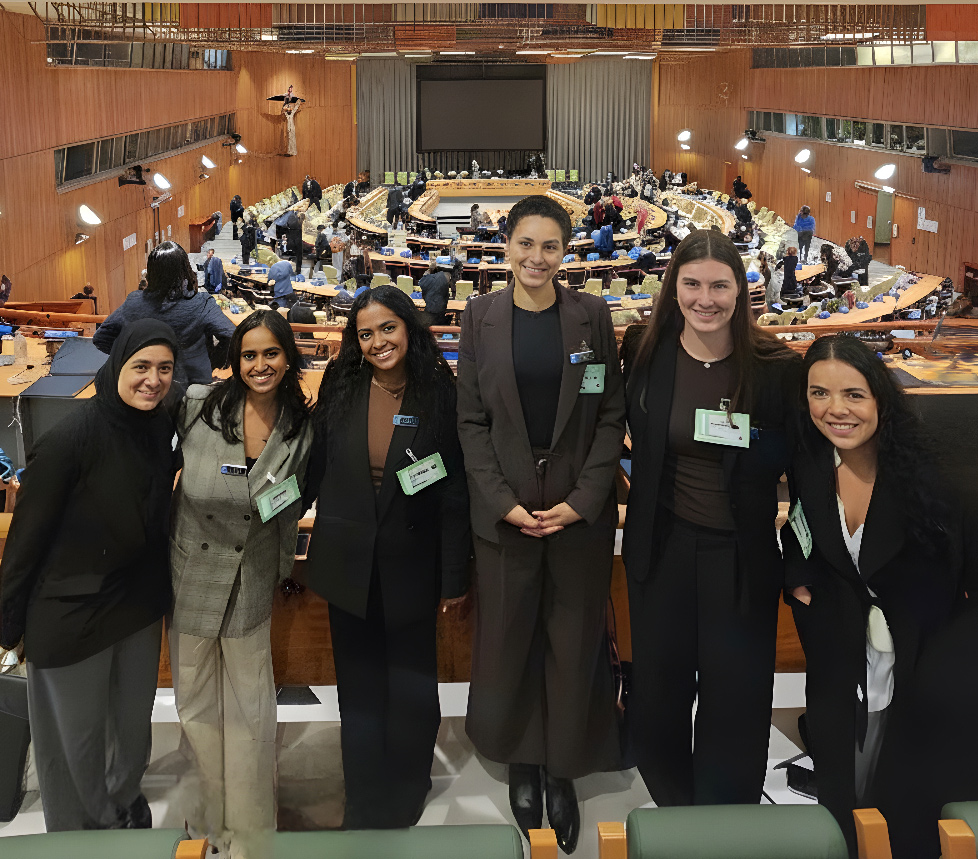
She hopes her story encourages other young Indigenous people to consider careers in law, advocacy or international affairs.
“I want them to know they belong in these spaces too. You don’t have to wait for the ‘right’ moment or have the ‘right’ background. If you work hard and stay committed, opportunities will come.
“The biggest takeaway from this experience is that no matter your background, ethnicity, religion, or language(s) you speak, there is opportunity to have your voice heard on the global stage. I was very comforted by the wide array of diversity I experienced during my time at UNHQ, and it has inspired me to keep working hard to pursue my goals.”
What comes next
After completing her degree, Tiarna plans to undertake her Practical Legal Training to become admitted as a solicitor and then pursue a Master of Laws. Her long-term goal is to work in human rights law on an international scale, ideally within the UN or another global organisation.

She hopes her story encourages readers to reflect on the state of Indigenous rights in Australia and the importance of continued advocacy.
“I want people to think about where we are now, where we need to go, and how we can make sure Indigenous rights are respected in the future. Having these conversations is where real change begins.”