Activities and events
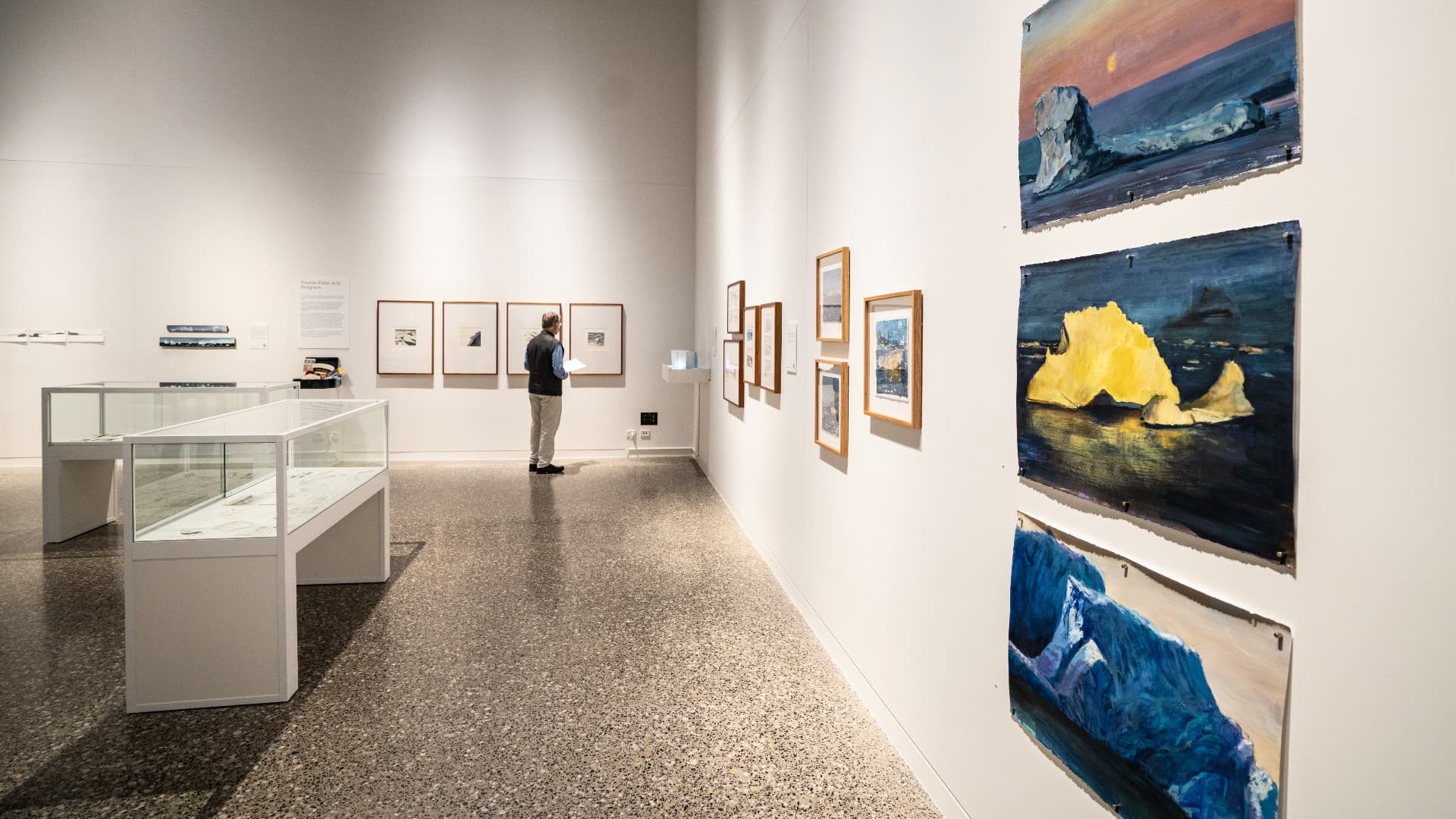
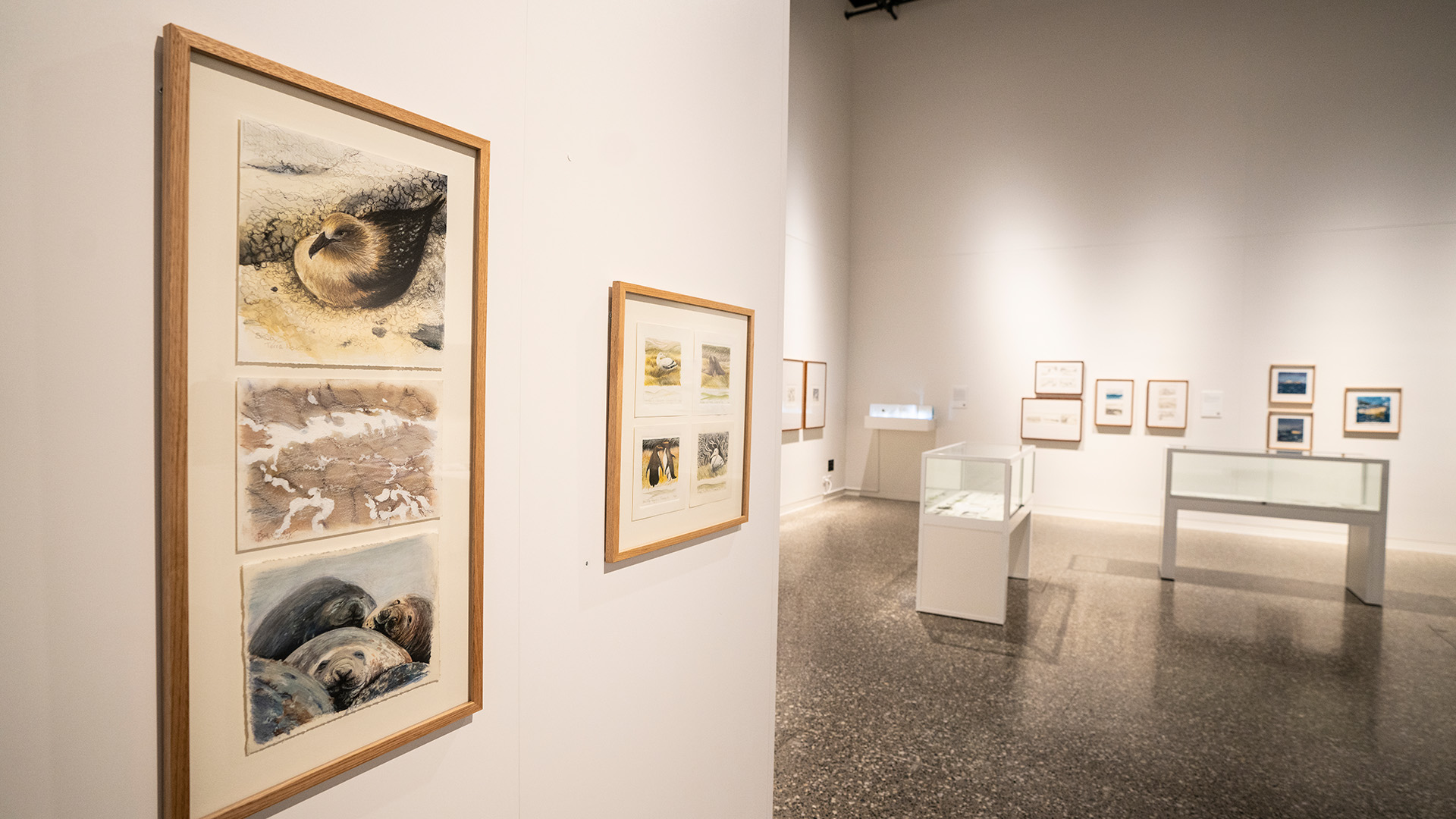
The Antarctic Futures exhibition ran in the UOW Gallery, Jillian Broadbent Building in 2022. It was officially launched during National Science Week, with a capacity crowd of over 100 guests.
It included work by artists and scientists who have visited Antarctica, either under the auspices of national level scientific and artist residency programs or via the former Illawarra based Theme Polar Arts program. The varied body of work from various artists and scientists had the common aim of representing the Antarctic environment and reflecting upon its future.
The exhibition ran for 10 weeks from August to October and was visited by people interested in Antarctica and climate change, members of the local arts community, high school students in excursion groups, tertiary students in creative arts tutorials, journalism students conducting interviews for assignments and Antarctic expeditioners.
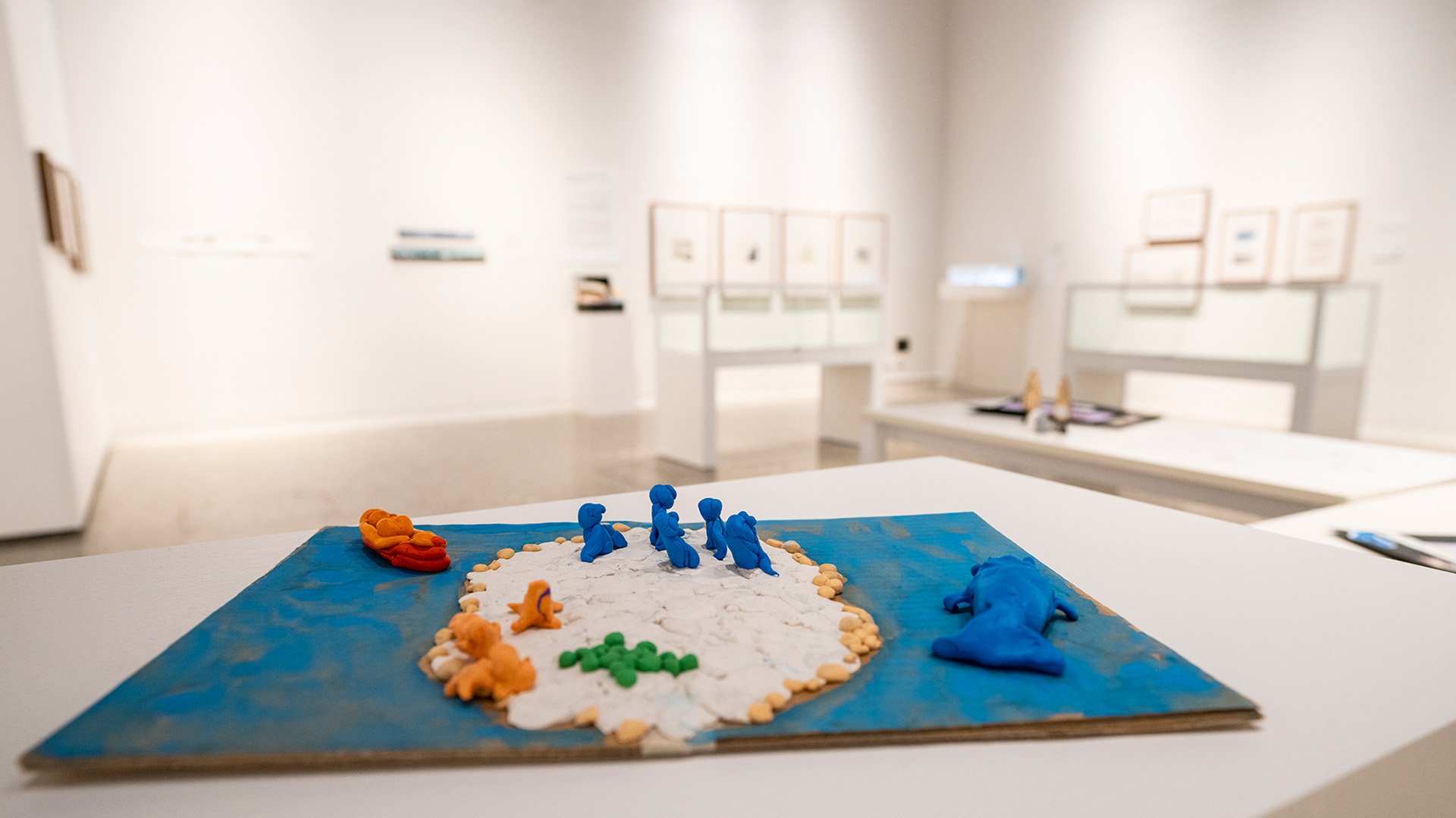
The Antarctic Futures team partnered with the University of ÌìÃÀ´«Ã½ educators to bring Antarctica to young families, in particular during National Science Week and Book Week. The next generation of scientists, artists, climate activists and problem solvers were engaged and inspired through interactive workshops co-created with the creative Early Start educators, who also helped update the Antarctic-themed Experience.
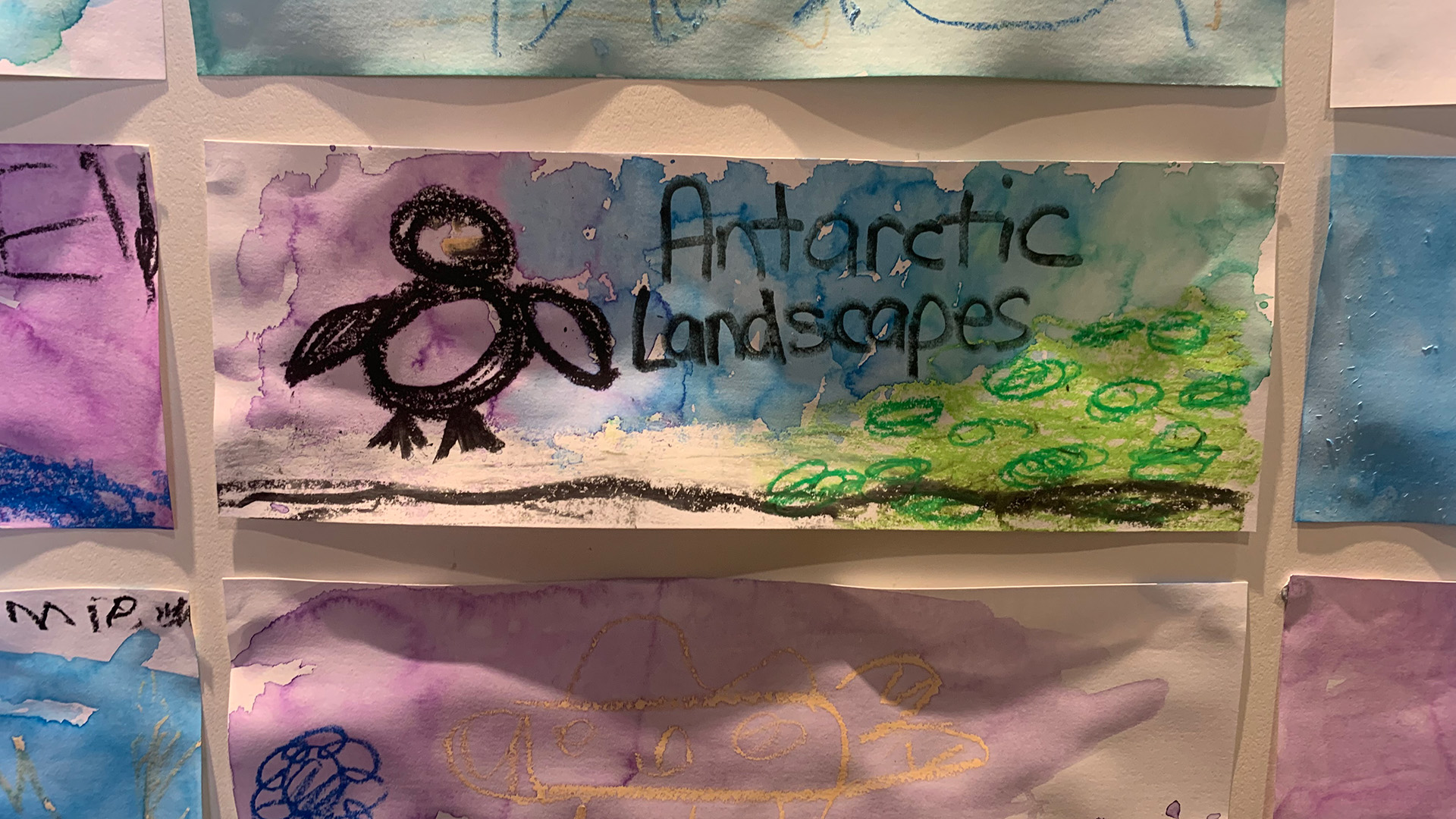
Through special Q&A sessions for children, scientists showed artefacts and shared stories about living and working in Antarctica. During ‘CreARTivity’ sessions, educators guided children to create their own artworks to contribute to the Antarctic Futures exhibition in the UOW Gallery space. Hundreds of children engaged in these activities and the Antarctic installations within the Early Start Discovery Space.
We hosted presentations, short films and Q&A panels on the complex issues of climate, sea level rise, atmospheric and oceanic warming, glacial retreat, invasive species and biosecurity. These interdisciplinary seminars also extended beyond the science to consider such issues as the value of science-fiction in terms of conceiving viable environmental futures, the continuing value of the Antarctic Treaty and the role of tourism in Antarctica.
Speakers and panellists included:
- (UOW),
- (UOW),
- (UOW),
- (UOW),
- (University of Chicago),
- (Research Coordinator for the Breakthrough National Centre for Climate Restoration),
- (UOW),
- (UOW),
- (UOW & University of Melbourne), and
- (UOW).
The short films were produced by
- ,
- ,
- , and
- .
These seminars were attended by members of the public, undergraduate students and scientists from other organisations including universities and government departments. These events were recorded and uploaded on the so that others can continue to benefit from these interdisciplinary conversations between artists, scientists and members of the public.